3 Min Read • December 5, 2025
Maximizing Pre-Owned Truck Revenue
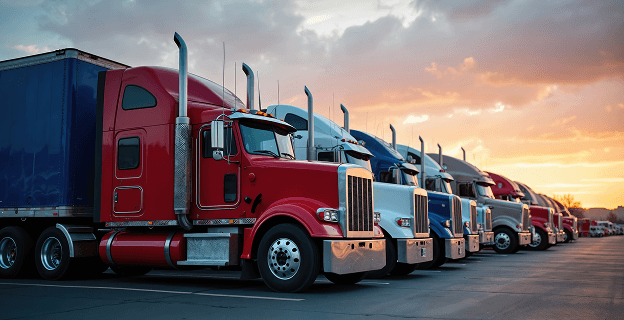
Your Pre-Owned Truck department can either support your bottom line or become a drag on profitability. To help it strengthen your dealership's overall performance, you need a process that consistently values trade-ins accurately, reconditions them strategically, and markets them effectively so units don't sit on your lot. Here are several ways to get the most out of your Pre-Owned Truck department.
Accurate Trade-In Valuation
Success with pre-owned trucks starts with understanding what a vehicle is truly worth. While supply and demand are the biggest drivers of value, many other variables matter. Valuation isn't an exact science. Condition, market trends and reconditioning needs can all shift the final number.
Age, overall condition, market demand and available inventory all influence pricing. Specs also play a role: Features such as automatic tire monitoring and inflation systems as well as advanced driver-assistance systems, like collision mitigation and telematics, can enhance resale value.
A thorough evaluation can reduce surprises later. Assess the vehicle's overall condition, run a diagnostic check to look for fault codes, and review maintenance and repair history when available. Inspect for body damage and tire wear to get a full picture of what you're taking in.
KEA Advisors recommends verifying accuracy early: “Be careful to get a unit’s VIN correct and validate odometer miles against ECM miles to make sure they're in the same range.” If the customer doesn't trade in the vehicle immediately after the valuation, it's worth rechecking the VIN and doing a brief reassessment at surrender to confirm no new issues have appeared.
Strategic Reconditioning Decisions
Once you've evaluated the truck, determine how much to invest in reconditioning. Some improvements, like cleaning, metal polishing and rust repairs, are inexpensive ways to improve curb appeal.
A cost-benefit analysis can help determine whether refurbishing or wholesaling makes more sense. Specs, age, condition, acquisition cost, expected retail price and market demand should all factor into the ROI. A properly reconditioned truck gives customers good value and can support a higher selling price but only when the investment aligns with expected return.
When the numbers don't add up, wholesalers or auctions can be faster ways to move inventory. Older, high-mileage or nonoptimal units often sell more quickly at auction, even if the price is lower.
Effective Marketing and Sales
Pre-owned trucks often appeal to a different buyer profile. Small fleet operators or owner-operators tend to dominate this segment, so visibility and outreach matter.
Dealerships can improve discovery by consolidating pre-owned inventory in a spot visible from the road, making it easy for business owners passing by to see what's available. Online visibility is equally important. Listings with detailed specs, high-quality photos or videos, and notes on completed repairs help buyers evaluate options and build confidence.
Certified Pre-Owned Truck Programs
Another way to strengthen your pre-owned offerings is through a certified program. Many OEMs offer certification options designed to reassure buyers about a vehicle's quality and performance. These programs are best suited for late-model, low-mileage units that can pass a multipoint inspection covering the engine, aftertreatment system, chassis, electronics and safety devices. Certified trucks typically include factory-backed warranties, which further boost buyer confidence.
Your Pre-Owned department can be a strong partner to the New Vehicle Sales department, especially since trade-ins play a key role in many new truck transactions. CDK can help streamline your sales process and support stronger performance across the dealership.
Share This