4 Min Read • June 11, 2026
Dealer Size vs. Tariff Impact: Uneven Ground in Heavy Trucks
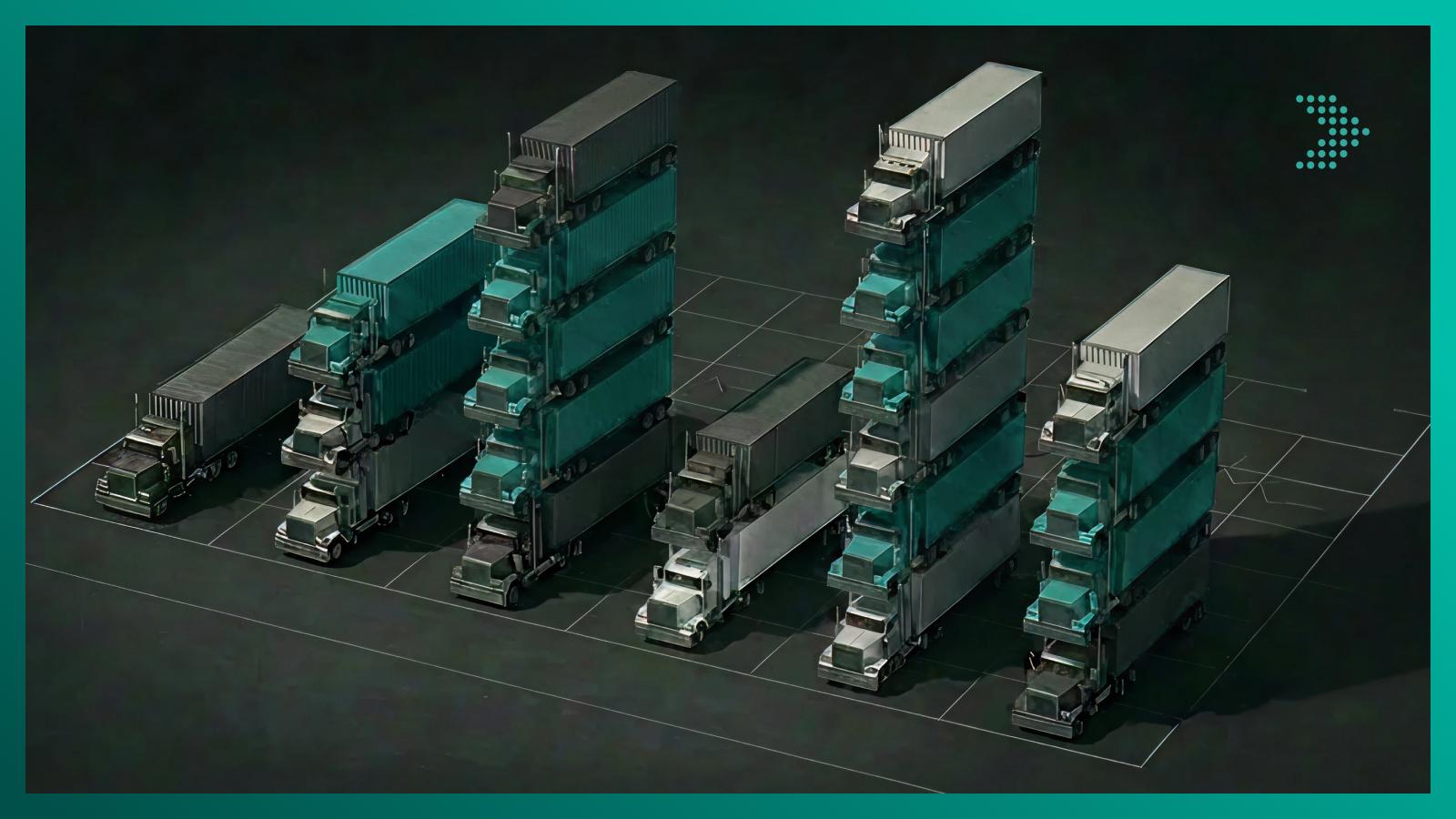
Heavy truck dealers of all sizes have familiar pressures. They grapple with inventory turn, Technician shortages and margin management. But now there’s a new pressure, and it’s so big that CDK reshaped its 2026 State of the Industry study to address it. Namely, the rollout of tariffs in 2025 that severely impacted the prices of goods and continue to impact them today.
Tariffs are actively reshaping demand, pricing strategies and long-term planning but they’re not doing it evenly. The impact diverges sharply depending on dealer size.
At the top level, the story is already concerning. Over four out of 10 (44%) dealers reported that tariffs have reduced demand. That alone would be enough to restructure strategy for most organizations. But when you break that number down by rooftop count, the reality is even more stark.
Tariffs Drag On Demand but Not Equally
Smaller dealers — those operating five or fewer rooftops — saw the most significant decreases. Between 50% and 55% of these operators reported declining demand tied to tariffs. So, in the majority of smaller groups, sales are down because customers are delaying or avoiding purchases. Perhaps in hopes that prices will come down but that doesn’t seem likely in the short term.
Midsize dealer groups (six to 10 rooftops) saw some relief. Thirty-six percent said demand decreased. But that’s still significant pressure on the bottom line.
Then there are the largest dealer networks (11 or more rooftops), where the number dropped to 32%, reporting decreased demand. That number is worth pausing on. It’s the lowest among the groups but it’s still nearly one-third of major operators experiencing declining demand. It goes to show that even scale doesn’t insulate against macroeconomic pressure; it just softens the blow.
Why Smaller Truck Dealers Are Hit Harder
This divergence isn’t just an interesting data point. It has real implications for how the industry evolves. Let’s consider the competitive landscape, for example. Larger groups, while affected, are better positioned to weather prolonged market softness. They benefit from broader geographic exposure, stronger purchasing leverage with OEMs, and more flexibility in pricing and inventory allocation.
For smaller dealers, the challenge is more acute. With fewer rooftops and less operational flexibility, they have less room to absorb shocks. When demand drops, the impact is felt faster and more directly across the business. This could leave smaller dealers scrambling to keep their businesses viable.
The Planning Problem
If tariffs were simply a cost issue, they’d be easier to manage. What’s making them especially disruptive is the uncertainty surrounding them.
Policy changes have been abrupt and, at times, temporary. New tariffs are introduced, challenged, revised or replaced. That volatility makes long-term planning extremely difficult whether it’s forecasting demand, setting pricing strategies, or managing inventory.
And the timing of our study adds another layer. It was conducted just before renewed geopolitical tensions in the Middle East, which have driven additional volatility in oil and diesel prices. That ripple effect extends into transportation costs and global supply chains, impacting everything from parts availability to vehicle production inputs.
Pricing Pressure: Absorb, Pass Through or Both
Tariffs have forced dealers into a difficult balancing act. Input costs are rising and not just from tariffs themselves but from overlapping inflationary pressures. Dealers are trying to protect customer relationships while maintaining margins and that often means sharing the burden.
“We have passed some increase to customers but have absorbed the cost increase internally for the most part,” one dealer stated. “It is important to show customers that we are willing to participate in the ‘pain’ of the tariff policies and not expecting them to carry all cost increases on their shoulders.”
Others are taking a more tactical approach to cost control, as another dealer commented, “Costs have gone up partially due to inflation or other reasons but also due to the tariffs. We have started ordering bulk to save money but also have passed increases onto our customers when we cannot purchase bulk.”
These responses highlight that there’s no universal playbook. Dealers are adapting in real time, using a mix of pricing strategy, procurement adjustments and customer communication to navigate uncertainty.
The Need for Adaptability
What unifies experiences across dealer size is the need for adaptability. Tariffs, in one form or another, are likely to remain part of the operating landscape through 2026 and beyond. Their exact structure may change but their influence won’t.
For heavy truck dealers, the question is no longer whether disruption will occur. It’s how prepared the organization is to respond when it does. Scale may soften the blow, but it doesn’t eliminate it. And for many dealers, especially smaller ones, the pressure is already significant.
Share This